Webinar Series · Session 01

Kickoff & State of Solar 2026

Aerial view of urban solar rooftop array
Webinar Session 01

Kickoff & State of Solar 2026

Where the market is moving, what utilities are doing, and the 3 trends every installer needs to price into proposals this year.

Solartronics USA · Installer Webinar Series
Slide 1 / 21
Technician installing a solar inverter and home battery system

I. Where the Market Is Moving

01 / 05

Solar + Battery Packages

The market is moving away from simply "installing panels" and toward complete energy management systems.

  • Blackout protection
  • Energy independence
  • Lower peak utility costs
  • Battery storage is becoming expected, not optional
Slide 2 / 21
Smart thermostat mounted in a modern home interior

I. Where the Market Is Moving

02 / 05

Smart Energy Homes

Homes are becoming integrated systems.

  • Solar + batteries + EV chargers
  • Smart panels and generators
  • AI-driven energy monitoring
  • The installer of the future is an energy solutions provider
Slide 3 / 21
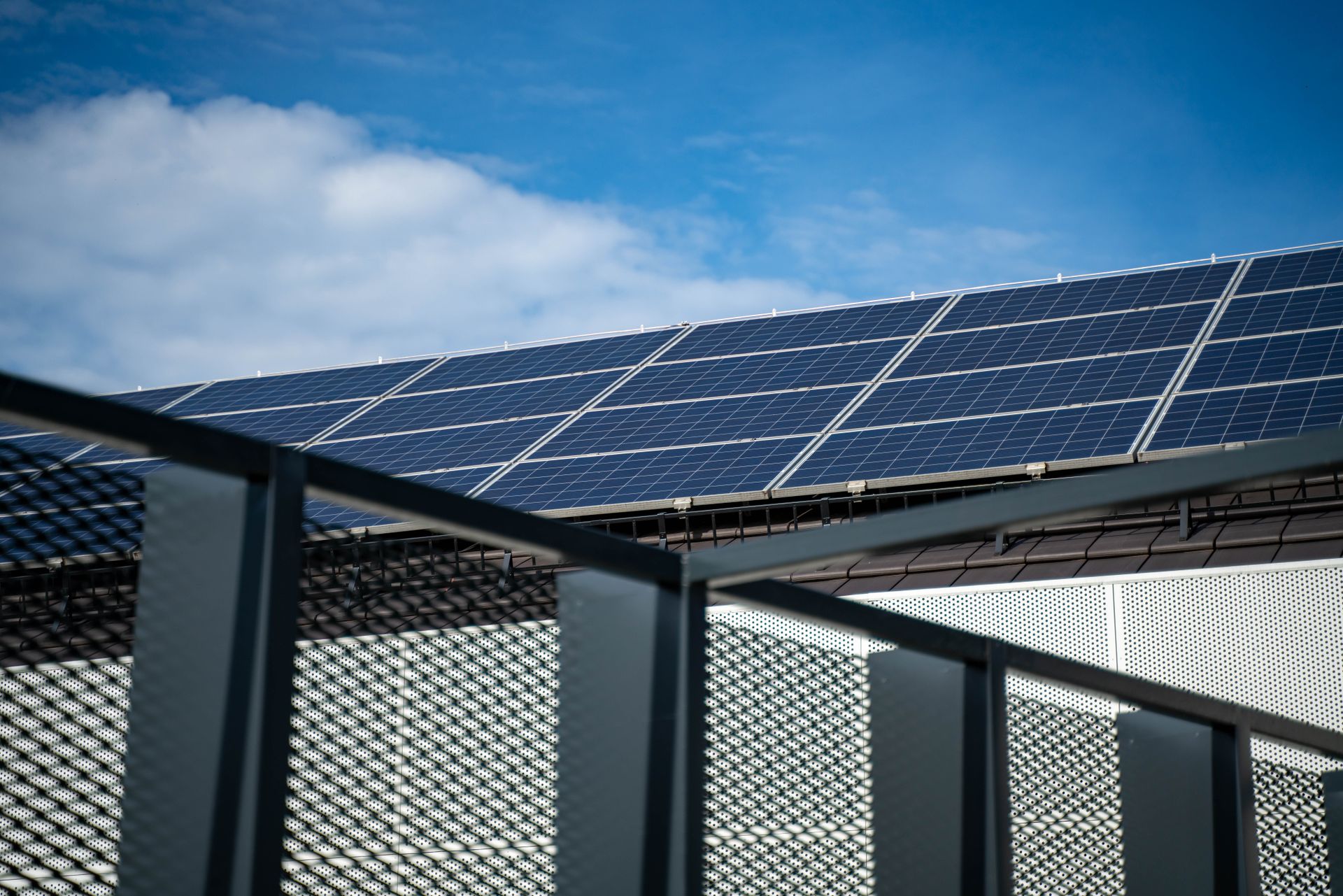
Close-up of solar panels against a clear blue sky

I. Where the Market Is Moving

03 / 05

Self-Consumption Instead of Grid Export

Under newer utility policies, homeowners benefit more by using their own solar energy.

  • Use your own solar energy
  • Store the excess
  • Minimize exports back to the grid
  • Shifts design toward batteries, load management, consumption optimization
Slide 4 / 21
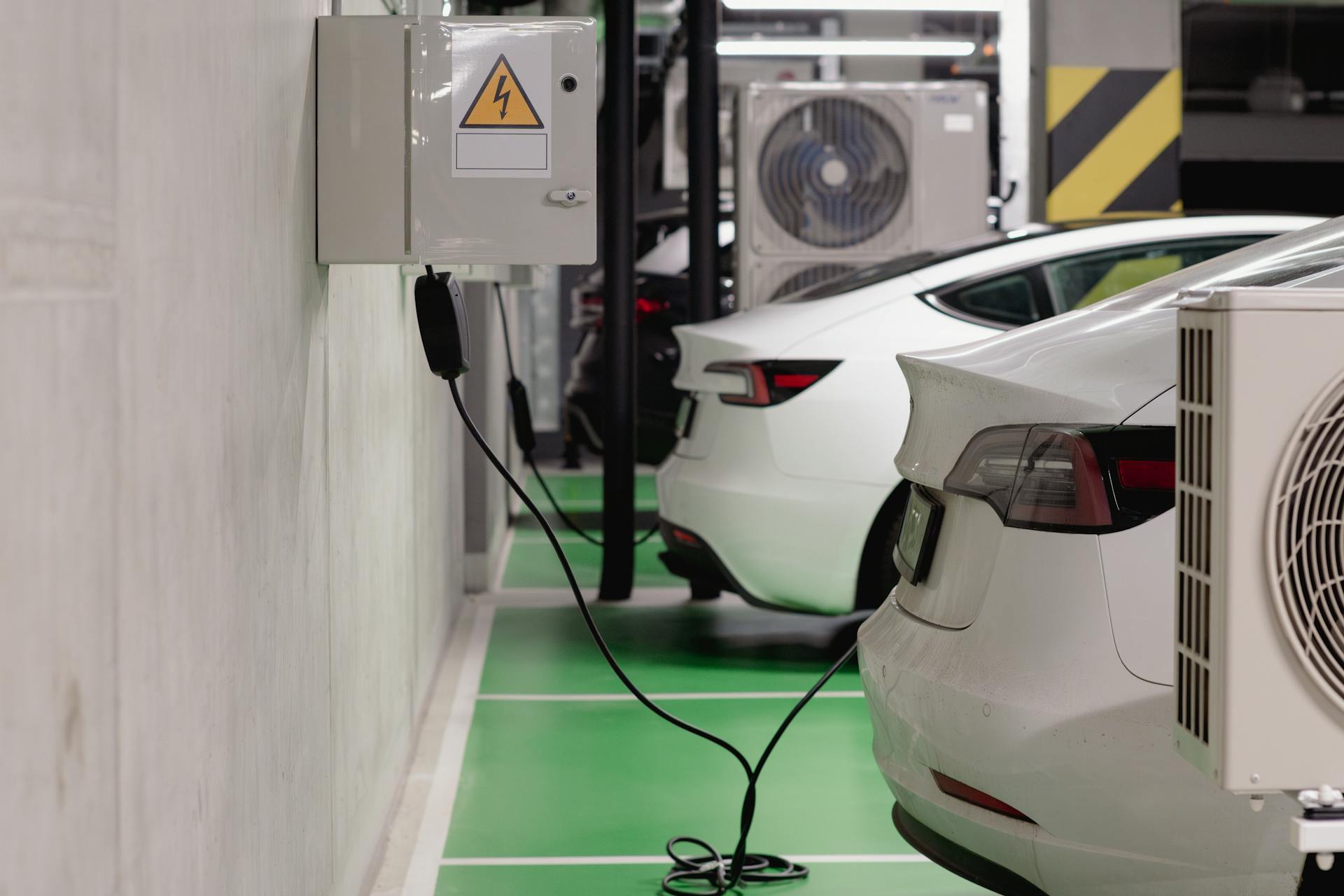
Multiple electric vehicles charging at an indoor charging station

I. Where the Market Is Moving

04 / 05

Electrification Growth

Electricity demand is rising — and that means bigger solar opportunities.

  • EV adoption
  • Electric appliances
  • Heat pumps
  • Rising baseline electricity demand
Slide 5 / 21
Hands stacking gold coins, symbolizing financial structures

I. Where the Market Is Moving

05 / 05

Financing & Subscription Models

Consumers increasingly prefer payment over ownership.

  • Low upfront cost
  • Monthly payment structures
  • Leasing & PPAs
  • Energy-as-a-Service
Slide 6 / 21
Silhouetted high-voltage transmission tower against a vivid sunset
II

Part Two

What Utilities Are Doing

Utilities are adapting because distributed solar changes how electricity flows through the grid.

Slide 7 / 21
Power lines silhouetted against an orange sunset sky

II. What Utilities Are Doing

01 / 04

Reducing Solar Export Compensation

Programs like NEM 3.0 cut what homeowners get paid for sending energy back.

  • Utilities want energy consumed locally
  • They no longer rely on grid exports for profitability
  • Export-heavy system designs lose ROI fast
Slide 8 / 21
Aerial view of a bustling electrical substation

II. What Utilities Are Doing

02 / 04

Expanding Time-of-Use (TOU) Pricing

Electricity costs more during high-demand periods.

  • Utilities encourage battery usage
  • Off-peak charging and energy shifting
  • This is why batteries are becoming critical
Slide 9 / 21
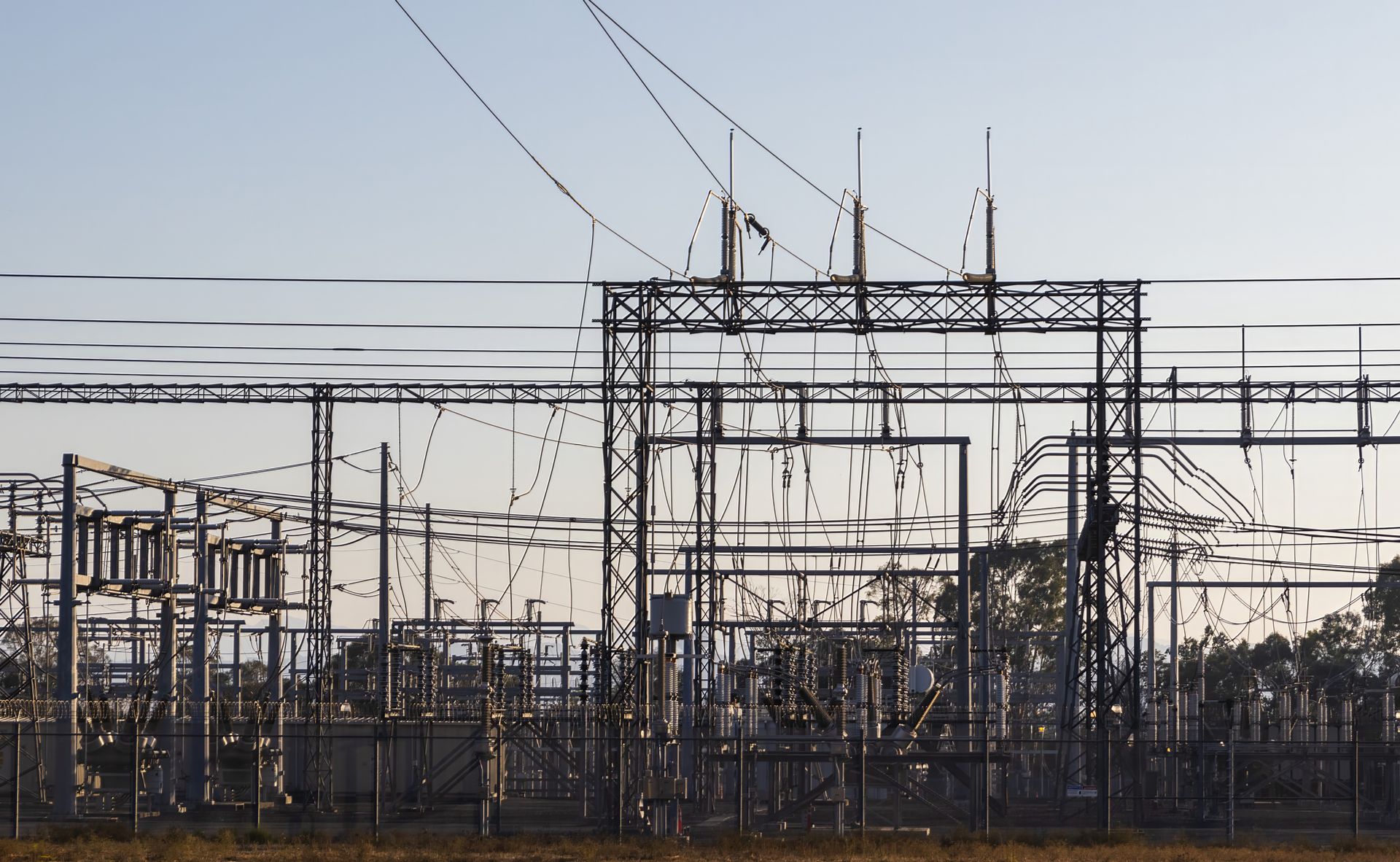
High-voltage electrical substation at dawn

II. What Utilities Are Doing

03 / 04

Investing in Grid Modernization

The grid is becoming more digital and automated.

  • Smart meters
  • Grid monitoring
  • Demand response systems
  • Distributed energy management
Slide 10 / 21
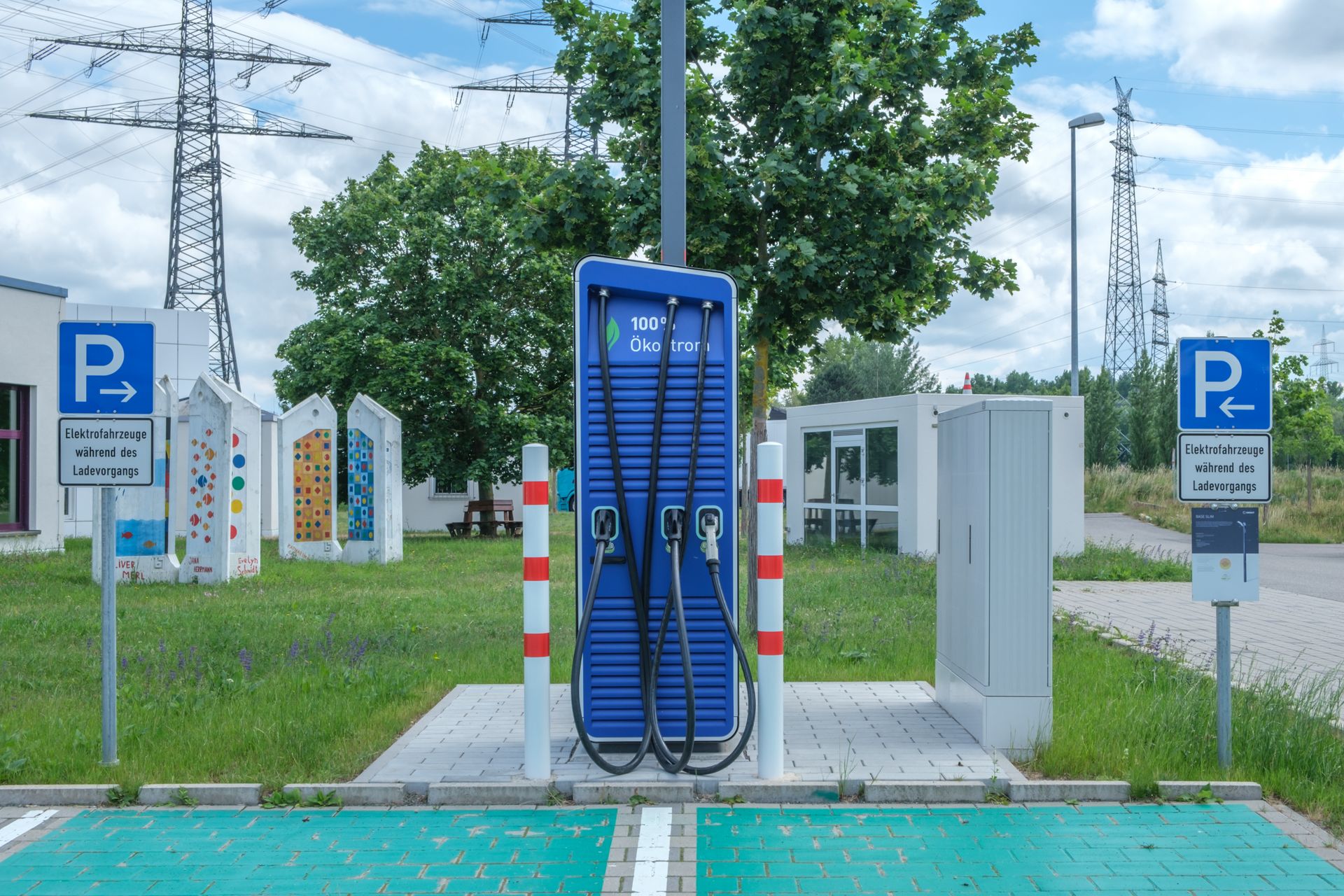
Public electric vehicle charging station with eco design

II. What Utilities Are Doing

04 / 04

Preparing for Electrification

Utilities expect huge demand increases — and infrastructure investment to follow.

  • EV charging at scale
  • AI & data centers
  • Electrified homes & industrial loads
  • Infrastructure expansion → higher future rates likely
Slide 11 / 21
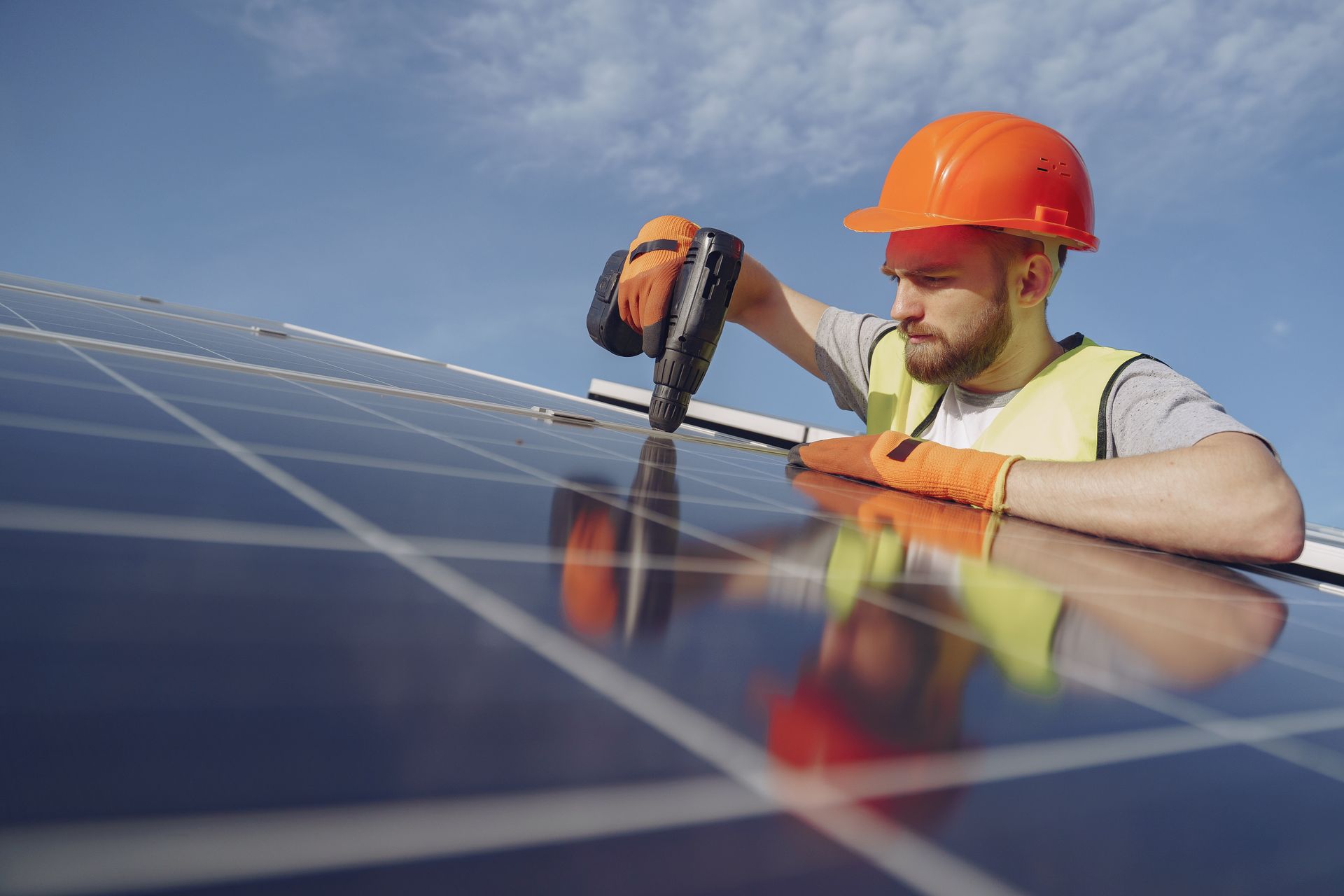
Bearded electrician in a hardhat installing a solar PV panel with a drill
III

Part Three

The 3 Biggest Trends

Every solar installer needs to price these correctly today.

Slide 12 / 21
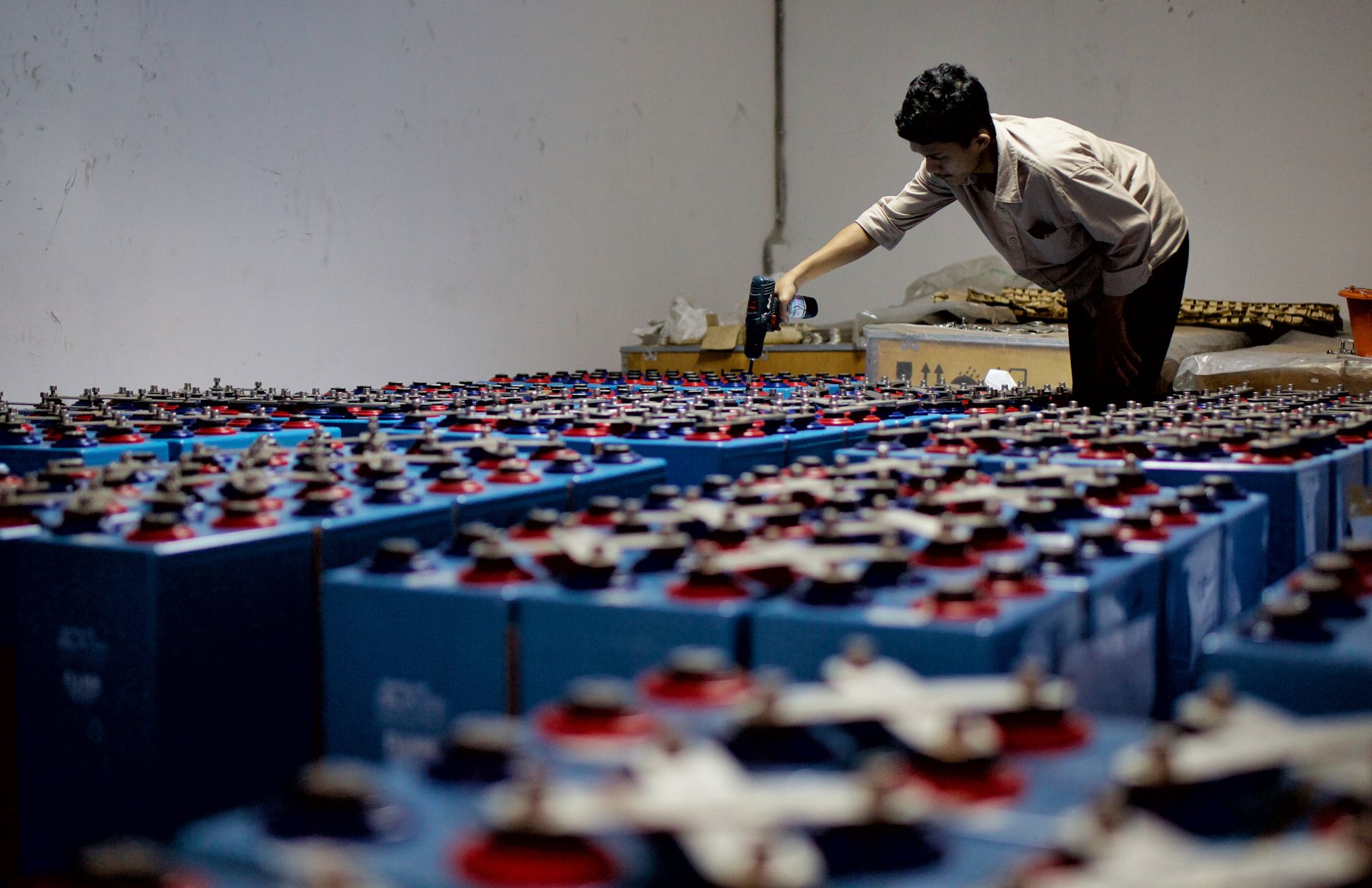
Worker inspecting an array of industrial battery storage cells

III. The 3 Biggest Trends

Trend 1

Battery Integration Is Becoming Standard

Homeowners are no longer buying "solar only" systems as often.

"Will my power stay on during outages?"

"Can I run my AC during blackouts?"

"Can I avoid peak utility rates?"

Slide 13 / 21
Technician working on a solar panel installation with cables and tools

III. The 3 Biggest Trends — Trend 1

Pricing Today

Installers Must Now Price...

Battery-ready systems
Critical load panels
Backup circuits
Hybrid inverters
Battery expansion options
Slide 14 / 21
Hand pointing at a financial chart on a whiteboard
III. The 3 Biggest Trends — Trend 1 · Why This Matters
"

A low-priced solar quote without battery planning can lose deals immediately.

Battery readiness is now a baseline expectation for the buyer.

Slide 15 / 21
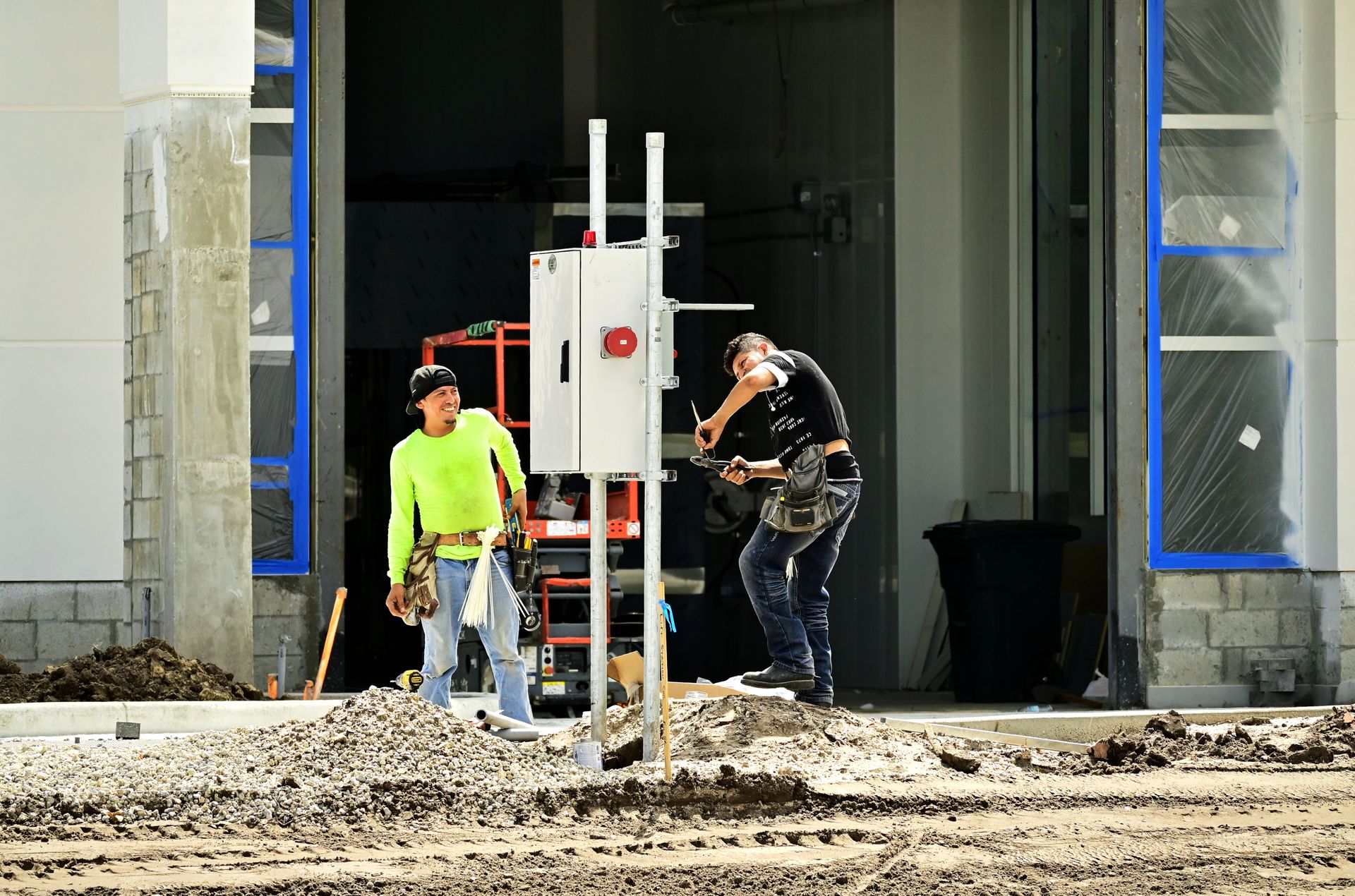
Two workers installing an electrical service panel

III. The 3 Biggest Trends — Trend 1

Pricing Impact

Battery Integration Affects...

Labor
Electrical upgrades
Permitting
Interconnection
System design
Load calculations
Slide 16 / 21
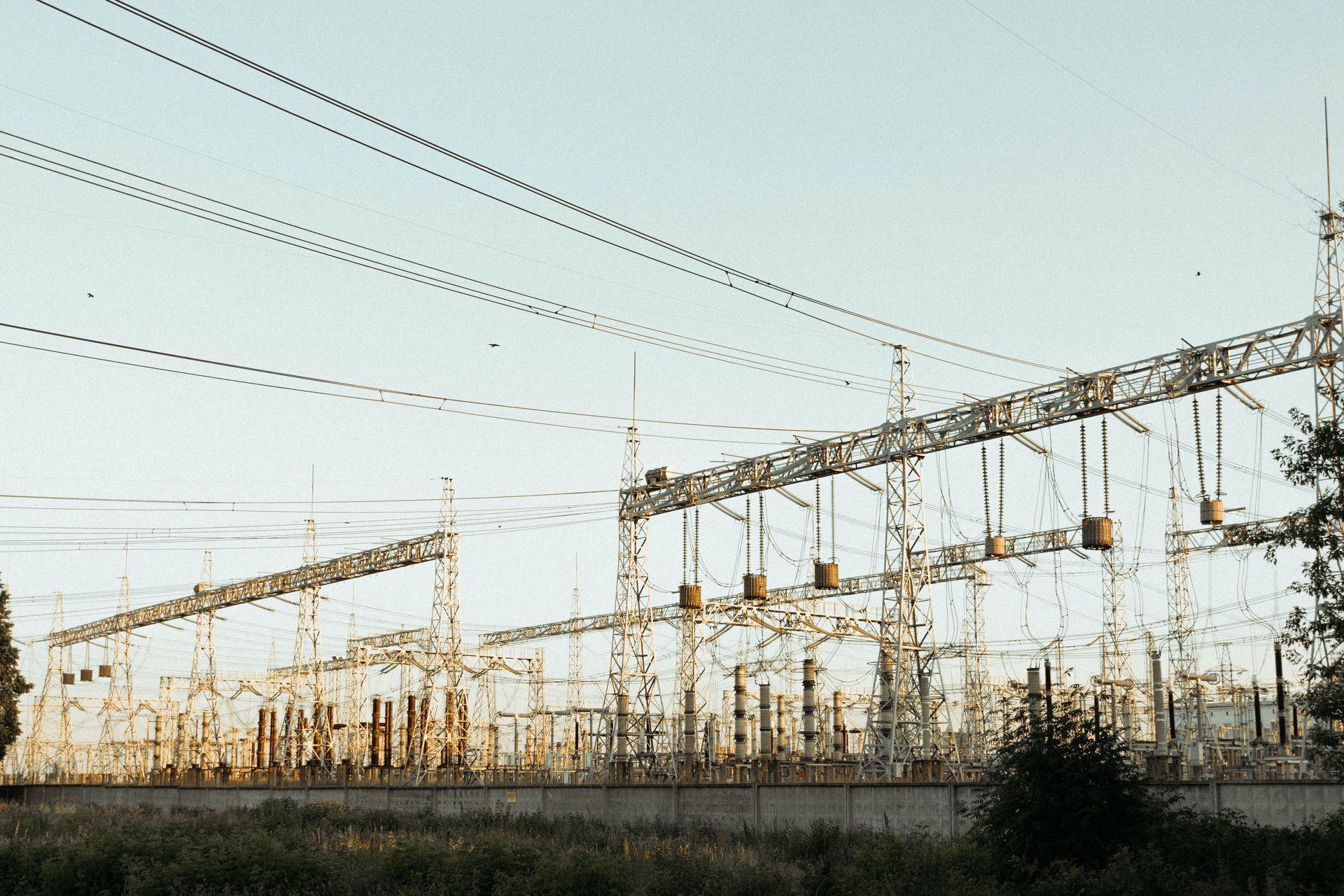
Wide view of an industrial electrical substation with power lines

III. The 3 Biggest Trends

Trend 2

Utility Rate Changes & NEM Policies

Utilities are changing the economics of solar rapidly. Installers must understand:

  • NEM 3.0
  • Time-of-Use rates
  • Demand charges
  • Export compensation
  • Peak-hour pricing
Slide 17 / 21
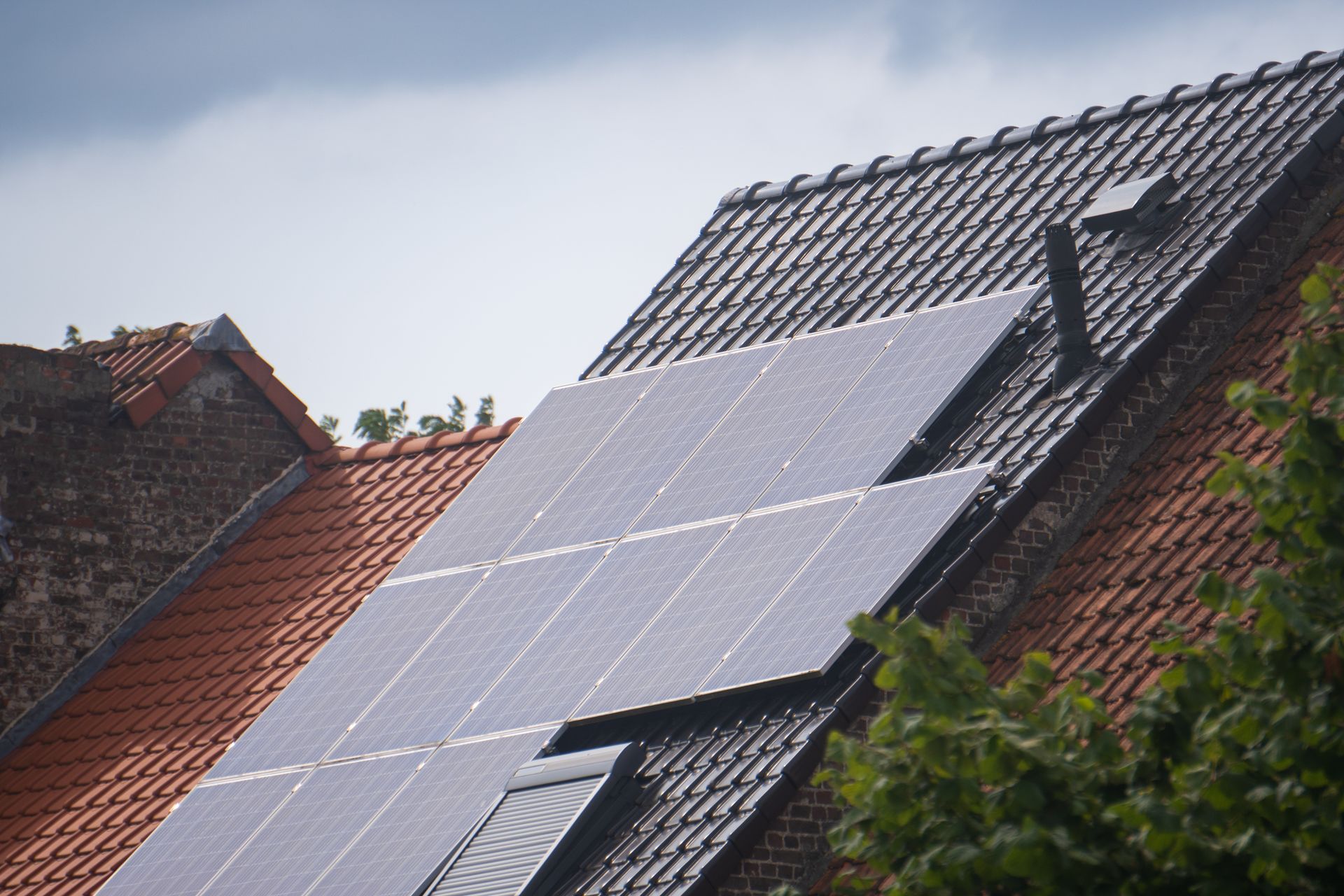
Solar panels installed on a residential rooftop

III. The 3 Biggest Trends — Trend 2

Customer Mindset

Today's Customers Care About...

Self-consumption
Battery storage
Peak shaving
Energy arbitrage
Slide 18 / 21
Stacks of coins forming an upward arrow representing financial growth

III. The 3 Biggest Trends — Trend 2

Pricing Impact

Your Proposals Must Now Include...

The old "offset your bill with panels only" sales model is fading.

  • Battery ROI
  • Consumption offset modeling
  • TOU optimization
  • Future utility escalation assumptions
Slide 19 / 21
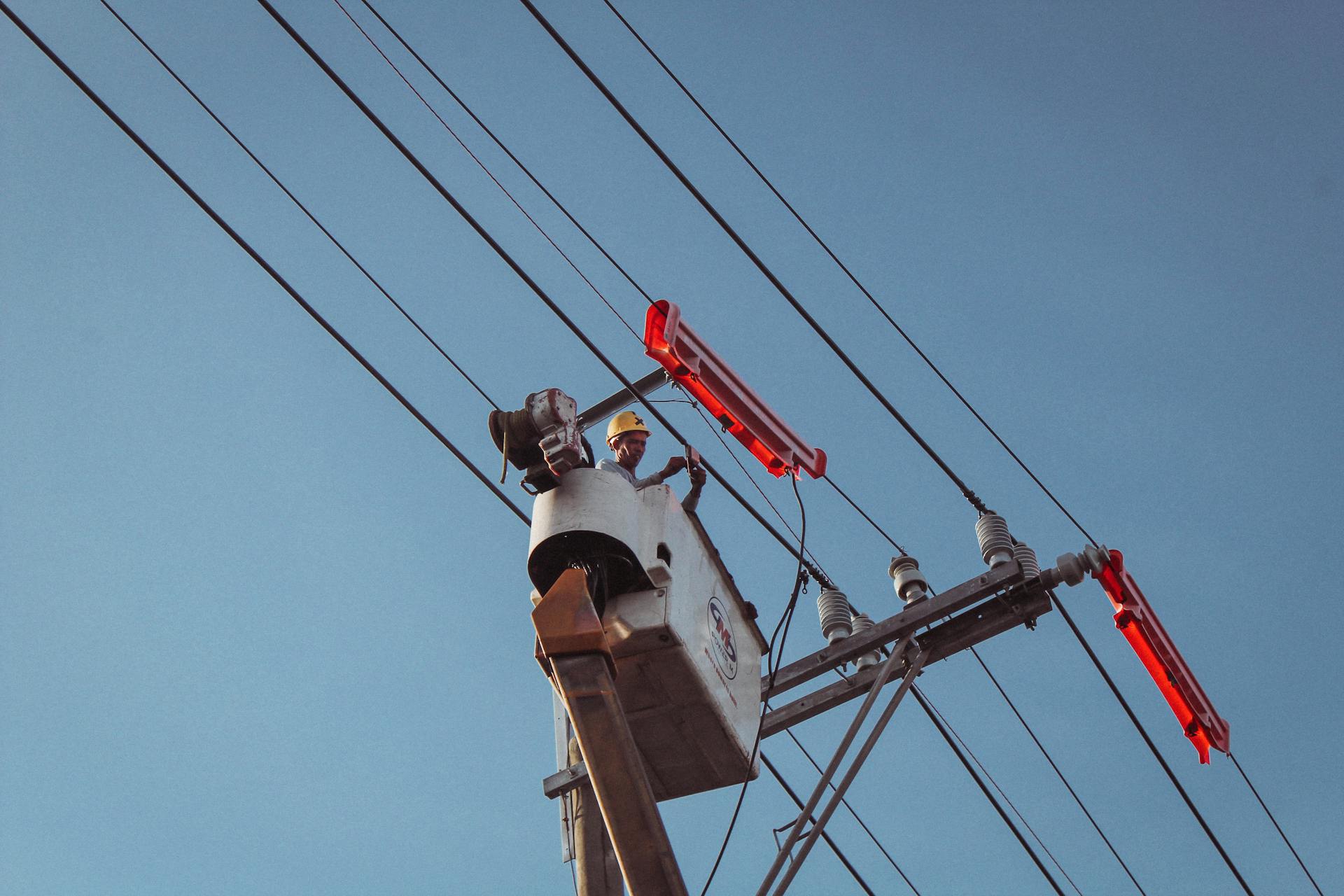
Electrician in a lift repairing overhead power lines

III. The 3 Biggest Trends

Trend 3

Labor, Financing & Soft Costs Are Rising

Many installers underprice systems because they focus only on equipment. The real cost drivers now include:

Financing & dealer fees
Permitting
Engineering
Labor shortages
Insurance & compliance
Truck rolls & inspections
Customer acquisition
Slide 20 / 21
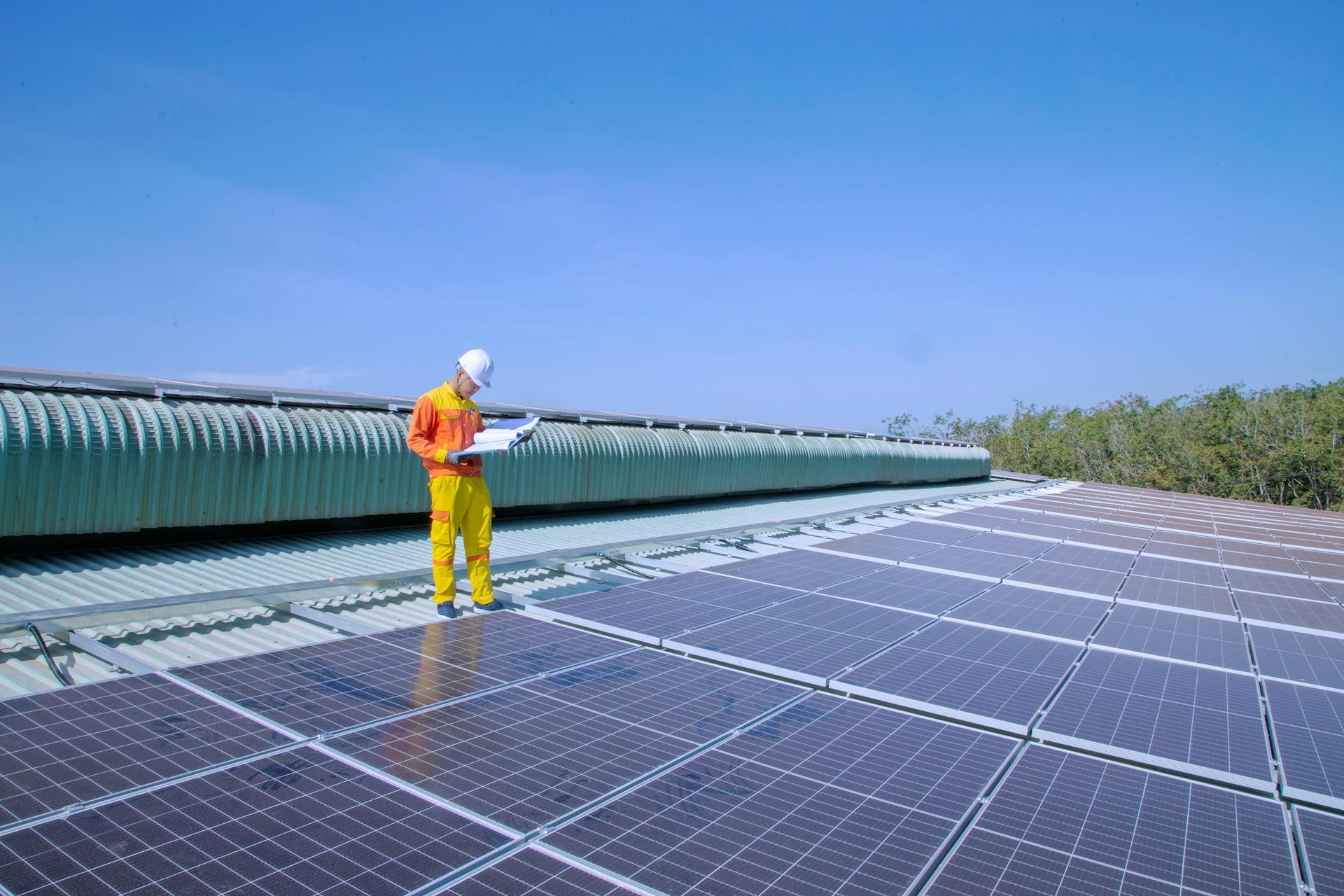
Solar technician inspecting installed rooftop solar panels
III. The 3 Biggest Trends — Trend 3 · Pricing For Sustainability

Installers Must Price For

Sustainable margins
Callbacks
Warranty support
Future service
Inflation
Financing costs

"Price for the business you want to run in 2027 — not the one you ran in 2022."

Slide 21 / 21
/

Part I

Where the market is moving

5 slides · battery, smart homes, self-consumption, electrification, financing

Part II

What utilities are doing

4 slides · NEM 3.0, TOU pricing, grid modernization, electrification prep

Part III

3 trends every installer must price

9 slides · battery integration, NEM, rising soft costs

Want to discuss this session 1:1?

Solartronics partners can book a follow-up strategy call.

Book a call

Talk to our team

Free consultation, no obligation

US team is reachable 5pm–8am PH time.

or

Philippines (local team) (set appointment)

Tap to call